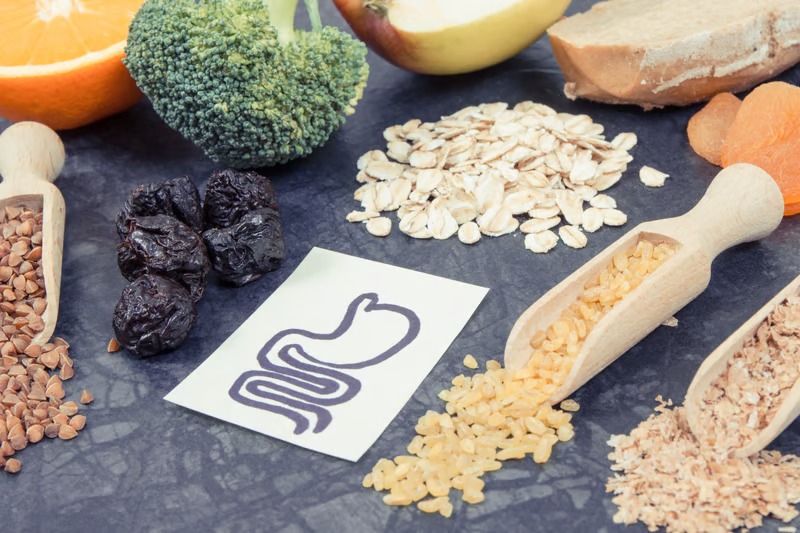
The connection between nutrition and overall health has become one of the most important topics in modern wellness discussions. Scientists continue to uncover evidence showing that the gut influences far more than digestion. It plays a role in immunity, metabolism, mental well-being, inflammation control, and even long-term disease prevention. At the center of this complex system is the microbiome, a diverse community of trillions of microorganisms that live primarily in the digestive tract.
A healthy microbiome thrives when it receives the right nourishment. This is where gut health foods become essential. The foods we eat directly influence which bacteria flourish and which struggle to survive. When beneficial bacteria dominate, digestion tends to function efficiently, nutrient absorption improves, and the body’s natural defenses become stronger. Conversely, poor dietary choices can disrupt microbial balance and contribute to digestive discomfort and broader health concerns.
Understanding which foods support microbial diversity and digestive wellness can help individuals make informed dietary choices. Rather than relying solely on supplements or restrictive diets, focusing on nutrient-rich, microbiome-friendly foods creates a sustainable path toward better health. This guide explores the most effective gut health foods and explains how they contribute to a balanced microbiome.
Why the Gut Microbiome Matters More Than Ever
The microbiome is often described as a hidden ecosystem inside the human body. Although invisible to the naked eye, its influence extends throughout nearly every biological system.
Beneficial bacteria assist in breaking down food, producing vitamins, regulating immune responses, and protecting against harmful pathogens. They help maintain the integrity of the intestinal lining and communicate with various organs through complex biochemical pathways. Researchers have even identified significant links between gut health and brain function, highlighting the importance of maintaining microbial balance.
When the microbiome becomes disrupted, a condition known as dysbiosis may occur. This imbalance can contribute to digestive issues, inflammation, weakened immunity, and other health challenges. Supporting microbial diversity through proper nutrition is one of the most effective ways to encourage long-term gut health.
The Relationship Between Food and Gut Bacteria
Every meal influences the composition of the microbiome. Certain foods provide nourishment for beneficial bacteria, while others may encourage the growth of less desirable microorganisms.
Foods rich in fiber, natural plant compounds, and fermented ingredients tend to support microbial diversity. These foods create an environment where beneficial bacteria can thrive and multiply. In contrast, highly processed foods, excessive added sugars, and poor dietary habits may reduce microbial variety over time.
The goal is not simply to consume one specific superfood but rather to build a dietary pattern that consistently supports a healthy microbial ecosystem.
Understanding Prebiotics and Their Importance
Before exploring specific gut health foods, it is important to understand prebiotics.
Prebiotics are types of dietary fiber that humans cannot fully digest. Instead, they serve as food for beneficial gut bacteria. As bacteria ferment these fibers, they produce short-chain fatty acids that help support digestive and immune health.
How Prebiotics Support the Microbiome
Beneficial bacteria depend on a steady supply of prebiotic fibers for growth and activity. Without adequate nourishment, these helpful microbes may decline in number and diversity.
Prebiotic-rich foods encourage the development of healthy bacterial populations while helping maintain a favorable environment within the digestive tract.
Common Sources of Prebiotics
Many plant-based foods naturally contain prebiotic fibers. Regular consumption can significantly improve microbiome diversity and digestive function.
Fiber-Rich Vegetables That Strengthen Gut Health
Vegetables are among the most valuable gut health foods because they provide fiber, antioxidants, vitamins, and beneficial plant compounds.
Garlic and Onions
Garlic and onions contain natural prebiotic fibers that nourish beneficial bacteria. These vegetables also possess compounds that may help reduce harmful microorganisms while supporting microbial balance.
Regular consumption contributes to digestive wellness and provides additional cardiovascular and immune system benefits.
Asparagus
Asparagus is rich in inulin, a powerful prebiotic fiber that supports beneficial bacterial growth. It also supplies essential nutrients that contribute to overall health.
Adding asparagus to meals can provide a simple and effective way to improve daily fiber intake.
Artichokes
Artichokes are often overlooked despite being one of the richest natural sources of prebiotic fiber. Their high fiber content promotes healthy digestion and supports a diverse microbiome.
Individuals seeking to improve gut health frequently benefit from incorporating artichokes into their weekly meal plans.
Fruits That Nourish Beneficial Gut Bacteria
Fruit offers more than natural sweetness. Many varieties provide valuable fibers and plant compounds that benefit the microbiome.
Bananas
Bananas contain resistant starch and prebiotic fibers, particularly when slightly green. These compounds support beneficial bacterial activity and digestive health.
Their versatility makes them an easy addition to breakfasts, snacks, and smoothies.
Apples
Apples contain pectin, a type of fiber that serves as nourishment for beneficial gut microbes. Pectin fermentation produces compounds that support intestinal health and microbial balance.
Regular apple consumption may contribute to improved digestive comfort and overall wellness.
Berries
Blueberries, strawberries, raspberries, and blackberries provide fiber along with powerful antioxidants known as polyphenols. These compounds interact positively with gut bacteria and support microbial diversity.
The combination of fiber and antioxidants makes berries especially valuable for long-term gut health.
The Role of Fermented Foods in Microbiome Balance
Fermented foods are among the most widely recognized gut health foods because they contain beneficial microorganisms produced during fermentation.
Yogurt
Yogurt remains one of the most popular fermented foods worldwide. High-quality yogurt containing live active cultures introduces beneficial bacteria into the digestive system.
When consumed regularly as part of a balanced diet, yogurt may support digestive function and microbial diversity.
Kefir
Kefir is a fermented dairy beverage known for its wide variety of beneficial bacterial strains. Many experts consider kefir one of the most potent probiotic foods available.
Its rich microbial profile may contribute to improved digestion and enhanced gut resilience.
Sauerkraut
Made from fermented cabbage, sauerkraut provides probiotics along with fiber and valuable nutrients. Traditional preparation methods preserve beneficial microorganisms that support digestive health.
Kimchi
Kimchi combines fermentation with vegetables, garlic, spices, and various seasonings. This traditional food offers both probiotics and fiber, creating a powerful combination for microbiome support.
Whole Grains and Their Impact on Gut Health
Whole grains provide important nutrients while serving as a valuable source of dietary fiber.
Oats
Oats contain beta-glucan fiber, which supports healthy bacterial growth and digestive function. This fiber also contributes to heart health and improved cholesterol management.
Barley
Barley offers substantial amounts of soluble fiber that nourish beneficial microbes. Regular consumption can promote a healthier digestive environment.
Brown Rice
Although less concentrated in fiber than some grains, brown rice contributes beneficial nutrients and supports overall dietary diversity.
Legumes as Microbiome-Friendly Foods
Beans, lentils, chickpeas, and peas provide a unique combination of fiber, protein, and prebiotics.
The fibers found in legumes undergo fermentation in the colon, producing short-chain fatty acids that benefit gut health. These compounds help nourish intestinal cells and support microbial balance.
Legumes also promote satiety, making them valuable for weight management and metabolic health.
Nuts and Seeds for Digestive Wellness
Nuts and seeds contribute healthy fats, fiber, and plant compounds that support the microbiome.
Almonds, walnuts, flaxseeds, and chia seeds provide nutrients that beneficial bacteria can utilize. Research suggests that certain nuts may positively influence microbial diversity while supporting cardiovascular health.
Including moderate portions of nuts and seeds in daily meals offers multiple health benefits beyond digestive wellness.
Polyphenol-Rich Foods and Gut Health
Polyphenols are naturally occurring plant compounds that interact closely with gut bacteria.
Green Tea
Green tea contains powerful polyphenols that beneficial microbes can metabolize into bioactive compounds. These interactions may support microbial diversity and overall wellness.
Dark Chocolate
High-quality dark chocolate provides polyphenols that can positively influence gut bacteria. Choosing varieties with higher cocoa content offers greater potential benefits.
Colorful Vegetables
Deeply colored vegetables often contain high concentrations of polyphenols. These compounds support microbial health while providing antioxidant protection throughout the body.
Foods That May Disrupt Microbiome Balance
Understanding beneficial foods is important, but recognizing potential dietary challenges is equally valuable.
Highly processed foods often contain additives, excessive sugars, and refined ingredients that may negatively influence microbial diversity. Diets dominated by ultra-processed products have been associated with reduced bacterial variety and increased inflammation.
Excessive sugar intake may encourage the growth of less desirable microorganisms. While occasional indulgences are unlikely to cause significant harm, consistent overconsumption can contribute to microbial imbalance.
Artificial sweeteners may also influence gut bacteria in ways that researchers continue to investigate. Moderation remains a sensible approach until more evidence becomes available.
Building a Daily Eating Pattern for Gut Health
Long-term success depends on consistency rather than perfection.
A gut-friendly eating pattern emphasizes a wide variety of plant foods, fermented products, whole grains, legumes, fruits, vegetables, nuts, and seeds. Diversity is particularly important because different bacterial species require different nutrients.
Consuming a broad range of foods throughout the week helps support a richer and more resilient microbiome. Small dietary improvements practiced consistently often produce more meaningful results than short-term restrictive approaches.
Hydration also plays an important role. Water supports digestion and helps fiber perform its beneficial functions within the digestive tract.
Gut Health and Immune Function
Approximately seventy percent of immune activity is linked to the digestive system. Beneficial gut bacteria help train immune cells, regulate inflammatory responses, and protect against harmful pathogens.
A balanced microbiome acts as a protective barrier, reducing opportunities for unwanted microorganisms to establish themselves within the digestive tract. This relationship highlights why nutrition remains such an important component of overall immune health.
Supporting gut health through dietary choices can therefore influence wellness far beyond digestion alone.
The Gut-Brain Connection
Scientists increasingly recognize the communication network that exists between the gut and the brain.
Beneficial bacteria produce compounds that influence neurotransmitter activity and nervous system function. Some researchers refer to the gut as a “second brain” because of its extensive communication pathways.
While nutrition alone cannot solve every mental health challenge, maintaining a healthy microbiome may contribute positively to mood, cognitive function, and emotional well-being.
Expert Advice for Supporting a Balanced Microbiome
One of the most common mistakes people make is searching for a single miracle food. In reality, the healthiest microbiomes tend to result from dietary diversity rather than dependence on one specific ingredient. Aim to consume a wide variety of fruits, vegetables, legumes, whole grains, and fermented foods each week.
Introduce fiber gradually if your current intake is low. Sudden increases may cause temporary digestive discomfort. Give your microbiome time to adapt by making changes steadily.
Focus on consistency rather than strict perfection. Long-term eating habits have a greater impact on gut health than occasional dietary lapses. Building sustainable routines around nutrient-rich foods often delivers the best results.
Finally, remember that sleep quality, stress management, physical activity, and hydration also influence the microbiome. Gut health is strongest when nutrition works alongside healthy lifestyle practices.
Conclusion
Gut health foods play a vital role in supporting a balanced microbiome and overall wellness. From fiber-rich vegetables and fruits to fermented foods, whole grains, legumes, nuts, and polyphenol-rich plant foods, numerous dietary choices can nourish beneficial bacteria and promote digestive harmony.
A healthy microbiome influences far more than digestion. It contributes to immune function, metabolic health, inflammation control, and even mental well-being. By prioritizing diverse, nutrient-dense foods and reducing reliance on highly processed products, individuals can create an environment where beneficial microbes thrive.
Rather than pursuing quick fixes, focusing on long-term dietary habits provides the strongest foundation for a healthier digestive system and a more resilient body. Small, consistent improvements can have a lasting impact on microbiome balance and overall quality of life.
FAQs
What are the best gut health foods to eat daily?
Some of the best daily gut health foods include yogurt, kefir, berries, apples, bananas, oats, legumes, garlic, onions, and a variety of vegetables. These foods provide fiber, probiotics, and beneficial compounds that support microbial diversity.
How long does it take to improve gut health through diet?
Some changes in the microbiome can occur within days of dietary improvements. However, meaningful and lasting benefits typically develop over weeks and months of consistent healthy eating habits.
Are probiotic foods better than probiotic supplements?
Probiotic foods often provide additional nutrients, fiber, and beneficial compounds beyond the microorganisms themselves. While supplements may be useful in certain situations, whole foods generally offer broader nutritional benefits.
Can poor gut health affect energy levels?
Yes. Digestive health influences nutrient absorption, inflammation levels, and overall metabolic function. An imbalanced microbiome may contribute to fatigue, digestive discomfort, and reduced overall well-being.
Do all fermented foods contain probiotics?
Not necessarily. Some fermented foods undergo processing methods that eliminate live microorganisms. Choosing products labeled with live active cultures can help ensure probiotic benefits.